
PRP
Platelet-rich plasma in Turkey for follicles that are weakening rather than gone — the best studied of the non-surgical options, and the most oversold.
At a glance
- Per session
- About 30 minutes
- Anaesthetic
- Topical
- Downtime
- None
- To hold an effect
- Repeat sessions
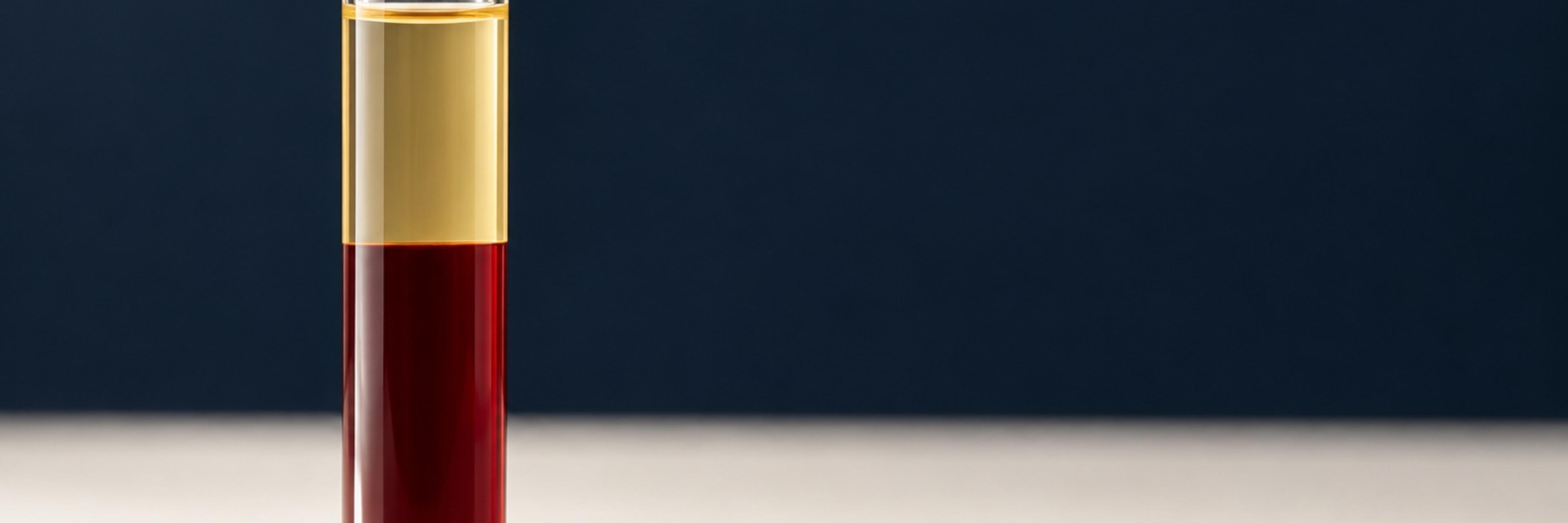
A small volume of your blood is drawn, spun to concentrate the platelets, and injected into the scalp. The growth factors in that concentrate are intended to prolong the active phase of the hair cycle.
The best studied, and the most oversold
PRP can slow loss and modestly thicken existing hair. It does not regrow hair in an area that has been bald for years, and no protocol changes that. Where follicles are gone rather than weakening, the honest answer is a hair transplant or nothing.
The evidence base is real but narrower than the marketing suggests. Trials consistently show improvement in hair density against baseline over three to six months; they also show wide variation between people, protocols that differ from clinic to clinic, and effects that fade when sessions stop. It is a maintenance treatment that buys time, and it should be sold as one.
What a session is actually like
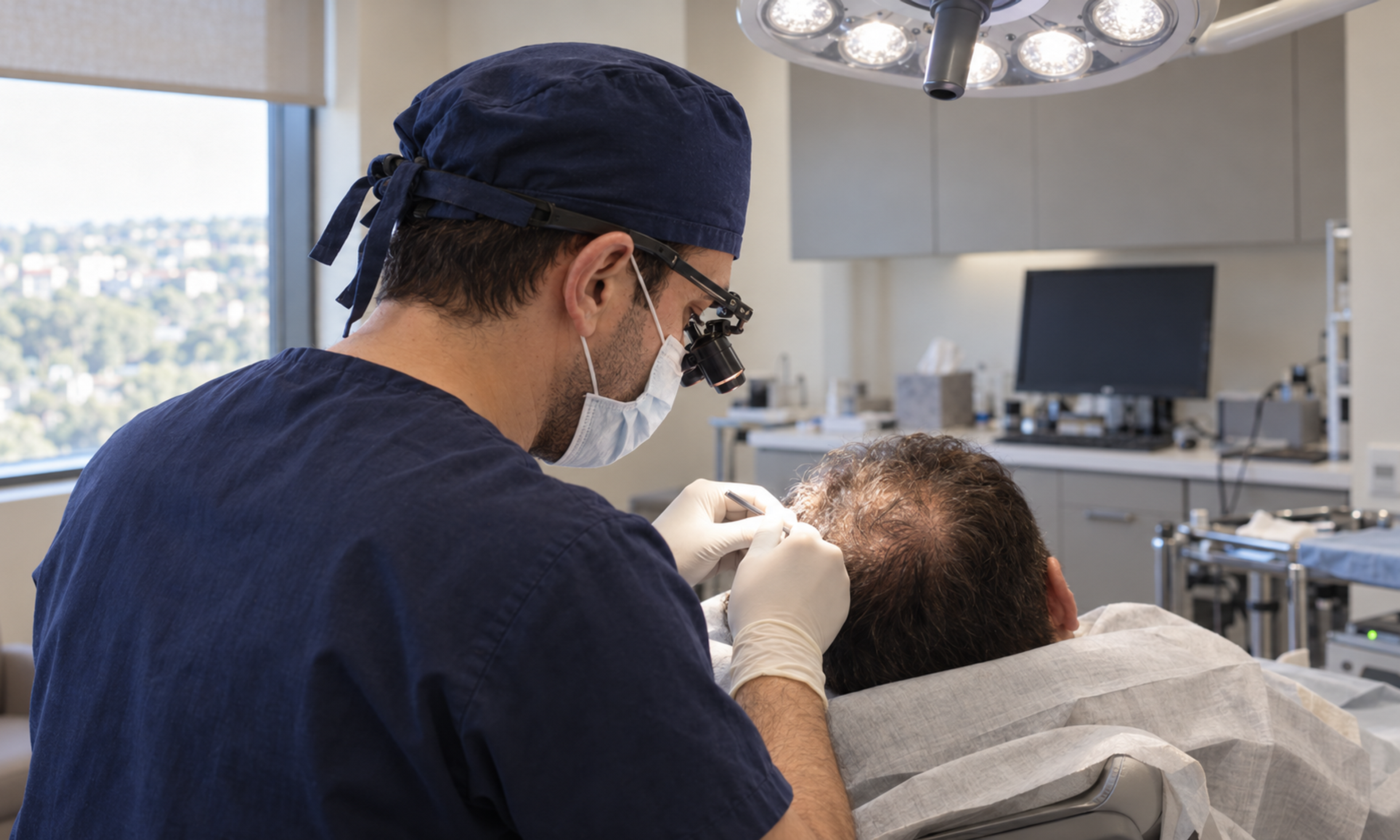
Blood is drawn as it would be for any test, spun for around ten minutes, and the concentrate injected across the thinning areas after a topical anaesthetic. The whole appointment takes about half an hour. Most people describe the injections as sharp rather than painful, and there is no dressing and no downtime — you can fly the same day.
Where it genuinely helps
Early, diffuse thinning where the follicles are miniaturising but alive. Around a transplant, to support the native hairs between the grafts, which are often the ones still weakening while the transplanted ones are secure. And in women with diffuse loss, where surgery is frequently not the right first answer at all.
Where it does not
A receded hairline that has been bare for years. Scarred scalp. Loss driven by something that has not been identified — thyroid disease, iron deficiency and some medications all cause shedding, and injecting platelets into a scalp losing hair for a medical reason treats nothing. Blood work comes before a course of PRP, not after it.
The part left out of the price
It requires repeat sessions to hold any effect: typically three to four sessions four to six weeks apart, then maintenance two or three times a year. A single session advertised as a treatment is a single session, and the effect of it will be gone within months.
If you are travelling to Istanbul for surgery, we will be honest about whether a course of PRP is worth building a second trip around. Often it is not, and what makes more sense is a medical plan you can follow at home with a local clinician.
Combining it with surgery
PRP is frequently given on the day of a transplant and again at intervals afterwards. The intention is not to improve graft survival — the grafts take or they do not, and that is decided by handling and blood supply — but to protect the thinning native hair around them, which is what makes a result look thin again two years later.
Interested in PRP?
Tell us your goals and we will map out your options.
Growth is slow and uneven. This is the ordinary course, not the fastest one.
- Session 1
Blood drawn, spun, and the concentrate injected across the thinning areas.
- Month 1–3
Sessions continue at intervals. Reduced shedding is the first thing to change.
- Month 6
Compared against the baseline images. Modest thickening at best — that is what the evidence supports.
- Thereafter
Maintenance sessions, or stopping. Both are reasonable answers.
See it in his own words.
A short film from the clinic’s own channel — the procedure explained plainly, by the surgeon who performs it.
Questions
Does PRP actually work?
It can slow loss and modestly thicken existing hair. It does not regrow hair in an area that has been bald for years, and no protocol changes that. It is the best studied of the non-surgical options and the most oversold.
How often would I need it?
Typically three to four sessions four to six weeks apart, then maintenance two or three times a year. It requires repeat sessions to hold any effect — the part usually left out of the price.
Is it worth flying to Istanbul for?
Usually not on its own. If you are already coming for surgery it can be given during the same visit. Otherwise a medical plan you can follow at home with a local clinician often makes more sense, and we will say so.
What is a session like?
Blood is drawn as for any test, spun for around ten minutes, and injected across the thinning areas under topical anaesthetic. About thirty minutes in total, no dressing, no downtime, and you can fly the same day.
Should I have blood tests first?
Yes. Thyroid disease, iron deficiency and some medications all cause shedding, and injecting platelets into a scalp losing hair for a medical reason treats nothing. Blood work comes before a course, not after it.
Can it be combined with a transplant?
It is frequently given on the day and at intervals afterwards. The intention is not to improve graft survival — that is decided by handling and blood supply — but to protect the thinning native hair around the grafts.
Sources
- 01Platelet-rich plasma for androgenetic alopecia: a meta-analysis — Dermatologic Surgery, 2021
- 02Standardisation of PRP preparation protocols — International Journal of Trichology, 2020